

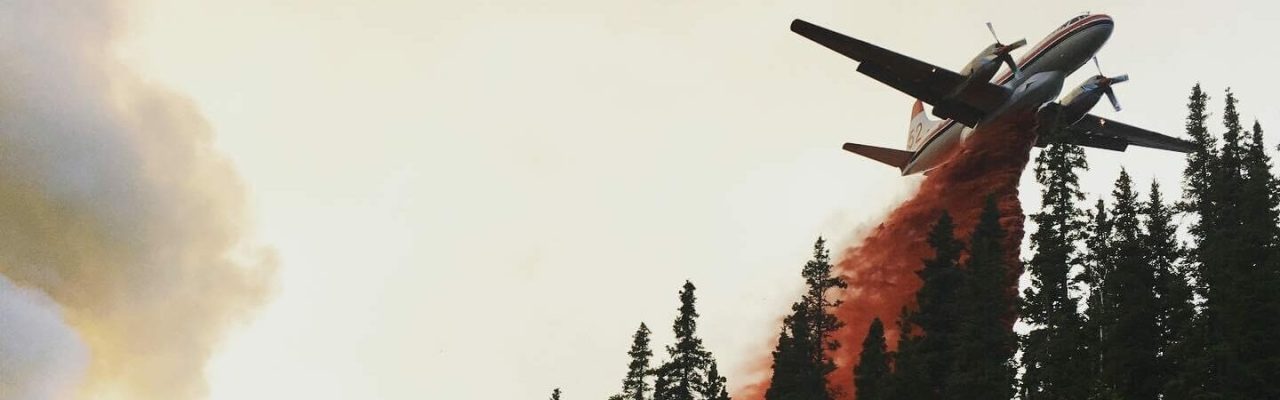
The North Shore is at significant and increasing wildfire risk due to the following factors:
- Historically, large wildfires have occurred infrequently, and small fires have been rapidly suppressed. This has resulted in a buildup of natural debris on the forest floor.
- Invasive species are spreading, degrading the health of the forest.
- Climate change science indicates our region will continue to experience hotter, drier and longer summer conditions over time.
- Past development practices have built into the adjacent forested areas, resulting in a wildland-urban interface that is vulnerable to wildfire.
- Human activity is the leading cause of wildfire on the North Shore, and our forested areas are popular with recreational users.
How to prepare
The foundations to preparedness
Prepare your home
Simple actions can decrease the intensity of a wildfire and slow its spread. To protect your home, neighbourhood and community, review the resources provided by FireSmart BC:
Enjoy the outdoors responsibly
When recreating in the outdoors:
- Check for bans and restrictions
- Do not make a campfire larger than half a square metre
- Keep a shovel or at least eight litres of water nearby to extinguish your fire
- Create a firebreak by scraping down to the dirt and removing debris at least one metre around your fire
- Never leave a campfire unattended
- Ensure your campfire is completely out and the ashes cool to touch before you leave the area
- Call 1 800 663 5555 or *5555 on your mobile phone if you spot smoke, flames or an unattended campfire
What to do during a wildfire
Know where to go for information
If a wildfire is threatening the North Shore, it is important to follow trusted sources of information. Start with NSEM, your municipal or First Nations’ official website and social media platforms, and local media; and then use provincial sources:
Understand evacuation stages
Depending on the severity of the situation, an Evacuation Alert or Order may be issued. It is important to understand the difference and to always follow the advice and direction of your local authorities:
Evacuation alert. Be ready to leave on short notice. If you leave before or during this alert, it’s called a voluntary evacuation.
Evacuation order. You are at risk and must leave the area immediately. Local police or the RCMP enforce evacuation orders.
Evacuation rescind. The risk to life and safety has passed, and you can return home. However, stay tuned for other possible evacuation alerts and orders.
Evacuation Alert
If you are on evacuation alert, you will need to be ready to leave on short notice. Take the following steps if you have time to safely do so:
- Gather your grab-and-go bags, emergency plan, copies of important documents and cherished personal items. Have them at the front door or already packed in your vehicle.
- Ensure your vehicle has fuel. The tank should always be at least half-full, or battery half-charged.
- Take down flammable curtains and window treatments.
- Move flammable furniture away from windows and sliding glass doors.
- Move patio furniture, cushions and door mats indoors.
- Turn off propane tanks, barbecues included. Move items into the garage or away from the home and into an open area where firefighters can see them.
- Connect garden hoses to outside faucets and fill large containers with water, such as pools, hot tubs and garbage cans. This can assist firefighters and help slow advancing flames.
- Ensure your house number is visible. This will help firefighters locate your home quickly.
- Disconnect automatic garage door openers so doors can be opened by hand if you lose power.
Evacuation Order
If you are on evacuation order, you are at risk and must leave IMMEDIATELY. On your way out:
- Close doors and windows and turn on both interior and exterior lights so your home is visible to firefighters in heavy smoke.
- Do not shut off your natural gas. If requested by emergency officials, FortisBC will turn off natural gas service as a precautionary measure or if there is an immediate threat to infrastructure.
- Follow all directions from local authorities, including evacuation routes to use.
- Create a profile for Emergency Support Services.
- Wait for the evacuation order to be rescinded before returning home.
Wildfire smoke
Wildfire smoke can result in poor air quality and may be harmful to health, especially for infants and young children, older people and people with pre-existing heart and lung conditions. The best way to protect yourself is to reduce exposure. Here are a few tips to help you breathe easier:
- Stay indoors and keep the air clean (windows/doors closed, no smoking, no burning fireplaces/candles/incense, no vacuuming)
- When in a vehicle, keep windows closed with air conditioning set to recirculate
- Reduce time spent outdoors and avoid vigorous outdoor activities
- People with asthma or other chronic illnesses should ensure they have an adequate supply of inhalers/medication and should activate their asthma or personal protection plans
- High-quality, portable air cleaners that use HEPA filtration can effectively remove smoke particles from the indoor air. People with respiratory conditions should consider purchasing HEPA filtration units
- Visit places with controlled air supply, such as shopping malls, swimming pools, or public libraries
- For non-emergency medical advice or assistance, visit Health Link BC or call 8-1-1
- Only call 9-1-1 during an emergency, such as if someone is having difficulties breathing or is in cardiovascular distress
Wildfire smoke resources
- How to prepare for wildfire smoke season
- Health effects of wildfire smoke
- Portable air cleaners for wildfire smoke
- Wildfire smoke and outdoor events
Visit the BC CDC to review these resources.
Mental health and well-being
If you are feeling stressed or anxious about a wildfire, evacuation alert or order, know that you are not alone. Here are things you can do to take care of yourself and others:
- Take care. Stress takes a toll on your physical and mental health. Eat well, exercise and get enough sleep to help lower stress and cope better.
- Reach out. Whether it’s with family, friends, a doctor or counsellor, talk to someone. Crisis lines are also available:
- BC Mental Health Support Line 24 hours a day at 310 6789 (no area code)
- KUU-US Indigenous Crisis Line at 1 800 588 8717
- Help others. Assisting others can help you regain a sense of purpose and community as you confront challenges together.
Stay Informed
Get notified of a wildfire
Understand current conditions
- Visit BC Wildfire Service for information on the current wildfire situation
- Plan ahead with the Weather Network's Fire & Smoke map
- Review air quality advisories to see if smoke is impacting the air quality in your area
- Determine if there is a fire ban or restrictions in the area you live in or are travelling to