

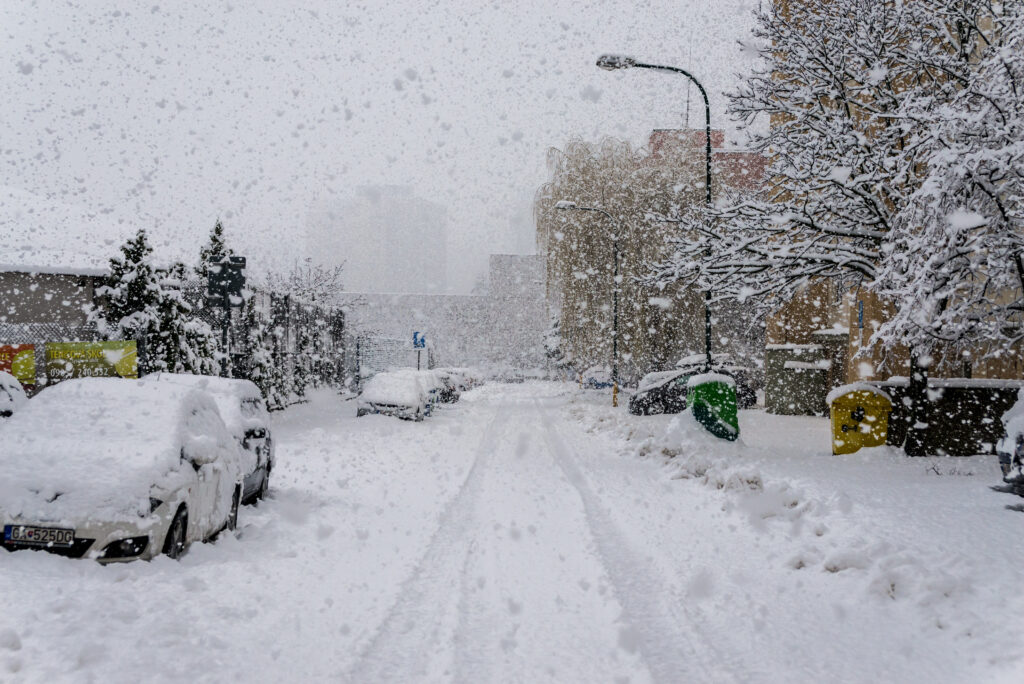
Winter storms can occur on the North Shore and cause power outages, blocked roads, icy conditions, and extremely cold temperatures. It is important to be prepared for winter weather before it arrives.
Public Warming Spaces and shelter
Public warming spaces
During severe weather events, public warming spaces—such as libraries and community centres—are available for anyone who needs a safe, heated place to go. You can view all North Shore warming spaces and their operating hours on EmergencyMapBC.
North Shore Extreme Weather Response
The North Shore Extreme Weather Response shelter operates from November 1 to April 15 when weather is extreme (temperatures below -2 Celsius, significant snow, freezing rain, sustained high wind, and/or temperatures near zero with rain). Local coordinators monitor the weather and need for shelter in the community and decide when this takes effect.
How to prepare
Prepare your home
Take steps to winterize your home:
- Insulate walls and attics.
- Install weather-stripping along doors and windows.
- Learn how to keep pipes from freezing (e.g., insulate pipes, shut off water valves in case a pipe bursts)
TIP: Check with your service provider for details on insulation and heat rebate programs or emergency power assistance funds.
Prepare for power outages
Severe winter weather that brings with it ice, wind and snow can cause power outages. It is important to be prepared to live without power for several days.
- Consider how you will keep warm if the power is out.
- Have a licensed contractor perform annual maintenance and inspections on your furnace, fireplace, and fuel-burning appliances ahead of winter.
- Install carbon monoxide alarms if you have an attached garage, wood stove, propane heater or other fuel-burning appliances.
- Insulate walls and attics.
- Include a battery-operated (or hand-crank) radio and flashlight with extra batteries in your emergency kit.
TIP: Keep refrigerator and freezer doors closed during a power outage. Keep the cold air in and avoid spoiling food. Visit BC Hydro for more tips.
Consider how people with disabilities or people requiring assistance may be affected during a power outage:
- How will they leave home without elevator service (if applicable)?
- Do they have a plan for a backup power supply for essential medical equipment?
Are you looking for help shoveling this winter? Or are you able to help a neighbour clear a path? Consider registering for the Snow Angels Canada program.
Prepare your vehicle
Ensure your vehicle is prepared for winter with proper maintenance.
- Keep your gas tank at least half full or your electric vehicle half charged at all times.
- Install winter tires. They provide better traction in cold temperatures and in snow, slush and icy conditions. Visit ShiftIntoWinter.ca for more information.
- Create a vehicle emergency kit.
Prepare to stay warm outside
When you’re outside in severe winter weather for work or recreation, stay warm and protected. Wear appropriate clothing and gear such as:
- A hat and gloves to prevent heat loss.
- Waterproof winter boots with good grip to prevent falls on slippery roads.
- Bright colours and reflective clothing so drivers can see you.
- Clothes in layers with a wind-resistant outer layer.
TIP: Visit AdventureSmart.ca for winter safety tips if you plan on enjoying the outdoors.
If there is an Extreme weather warning
- Review and activate your household emergency plan.
- Locate your emergency kit.
- Know how to contact BC Hydro to report or monitor for power outages in your area.
- Follow travel alerts and advisories using DriveBC.
- Know where to find weather-related information, including Environment and Climate Change Canada.
If you go outdoors
It is best to seek warm shelter immediately, but if you must go outdoors:
Dress appropriately. Wind chill can cause cooler temperatures to occur.
Limit your time outside and watch out for signs of frostbite or hypothermia.
Take care when shoveling. Vigorous exercise and cold temperatures can cause high blood pressure and accelerated heart rates.
Be cautious when walking on icy streets.
Phone 9-1-1 if you see utility lines or poles down, or see any sparks, flames or smoke.
If you must drive
- Travel during the day.
- Don’t travel alone.
- Keep others informed of your schedule.
- Stay on main roads and avoid back-road shortcuts.
Get notified of extreme weather
Learn more about Extreme weather
- Vancouver Coastal Health: Improve your winter wellness
- Vancouver Coastal Health: Winter weather
- PreparedBC: Get prepared for winter weather and storms
- Get Prepared Canada: Winter safety indoors and out
- DriveBC: Shift into Winter
- DriveBC: Road conditions and maps
- Transport Canada: Driving safely in winter