
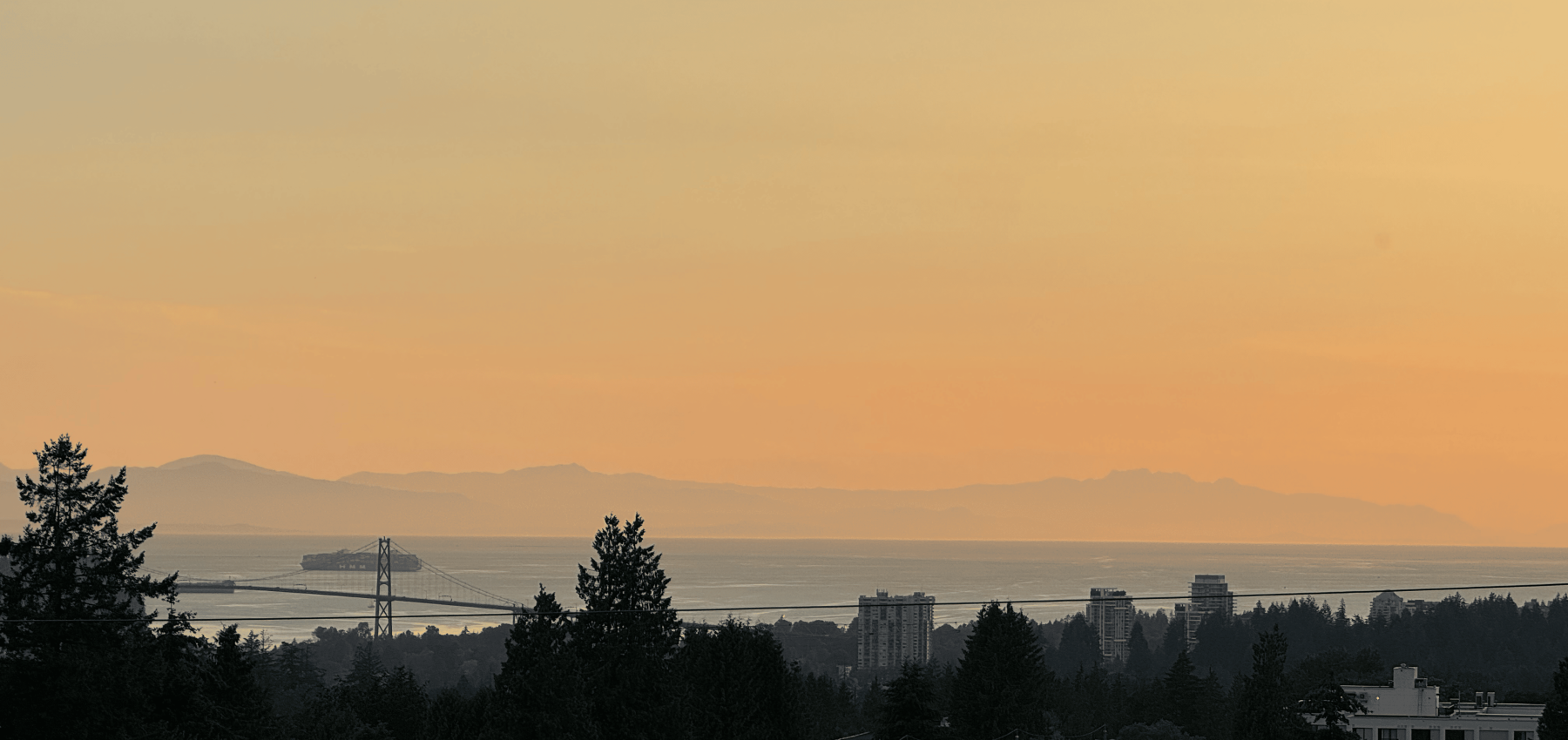
Poor air quality can result from scenarios such as wildfires and smog. It can be harmful to our health, particularly for more vulnerable populations, including children, older adults and those with pre-existing medical conditions (e.g., asthma, heart disease diabetes).
Protect yourself during periods of poor air quality
During periods of poor air quality or wildfire smoke, take these steps to reduce your exposure:
- Limit the amount of time you spend outdoors and reduce or avoid strenuous outdoor activity.
- Stay indoors and improve indoor air quality by keeping windows and doors closed when air quality is poor. Use a portable HEPA air cleaner or do-it-yourself box fan air cleaner. If your home has a built-in ventilation system, install a MERV 13 (or higher) filter if compatible with your system.
- If it’s hot, focus on staying cool. Spend time in air-conditioned public spaces such as community centres, libraries, or shopping malls if your home becomes too smoky or too warm.
- Stay hydrated by drinking plenty of fluids.
- If you must be outdoors, wear a well-fitted N95, KN95, or KF94 mask for the most protection.
- If you have asthma or another chronic respiratory or heart condition, carry your rescue medication (such as an inhaler) and ensure you have an adequate supply of prescription medications.
- Monitor your health and seek medical attention if you experience severe symptoms such as chest pain, difficulty breathing, wheezing, severe coughing, or dizziness. Call 9-1-1 in an emergency.
- Check on family, friends, neighbours, and others who may be more affected by poor air quality, including older adults, infants and children, pregnant people, people with chronic health conditions, and outdoor workers.
- Monitor air quality throughout the day using the Air Quality Health Index (AQHI), as conditions can change quickly.
Build your own air cleaner
Learn how to build your own air cleaner to improve indoor air quality:
For more information, including information translated into additional languages, please explore the BC Lung Foundation or BC Centre for Disease Control websites.
Monitor air quality
Air quality advisories are issued when pollutant concentrations approach or exceed predetermined limits, or when degraded air quality episodes are expected to continue or worsen.
Monitor the air quality nearest your location and learn about the latest air quality advisories and updates through Metro Vancouver or the BC government. You may also subscribe to receive air quality advisories through these sites.